Structural Concrete in Chesterfield, VA: What Property Owners Should Know Before Building
Structural concrete is the backbone of many residential and commercial buildings in Chesterfield. It supports weight, resists pressure, and keeps structures stable over time. While finishes and surface work are visible, structural concrete works behind the scenes to carry loads safely into the ground.
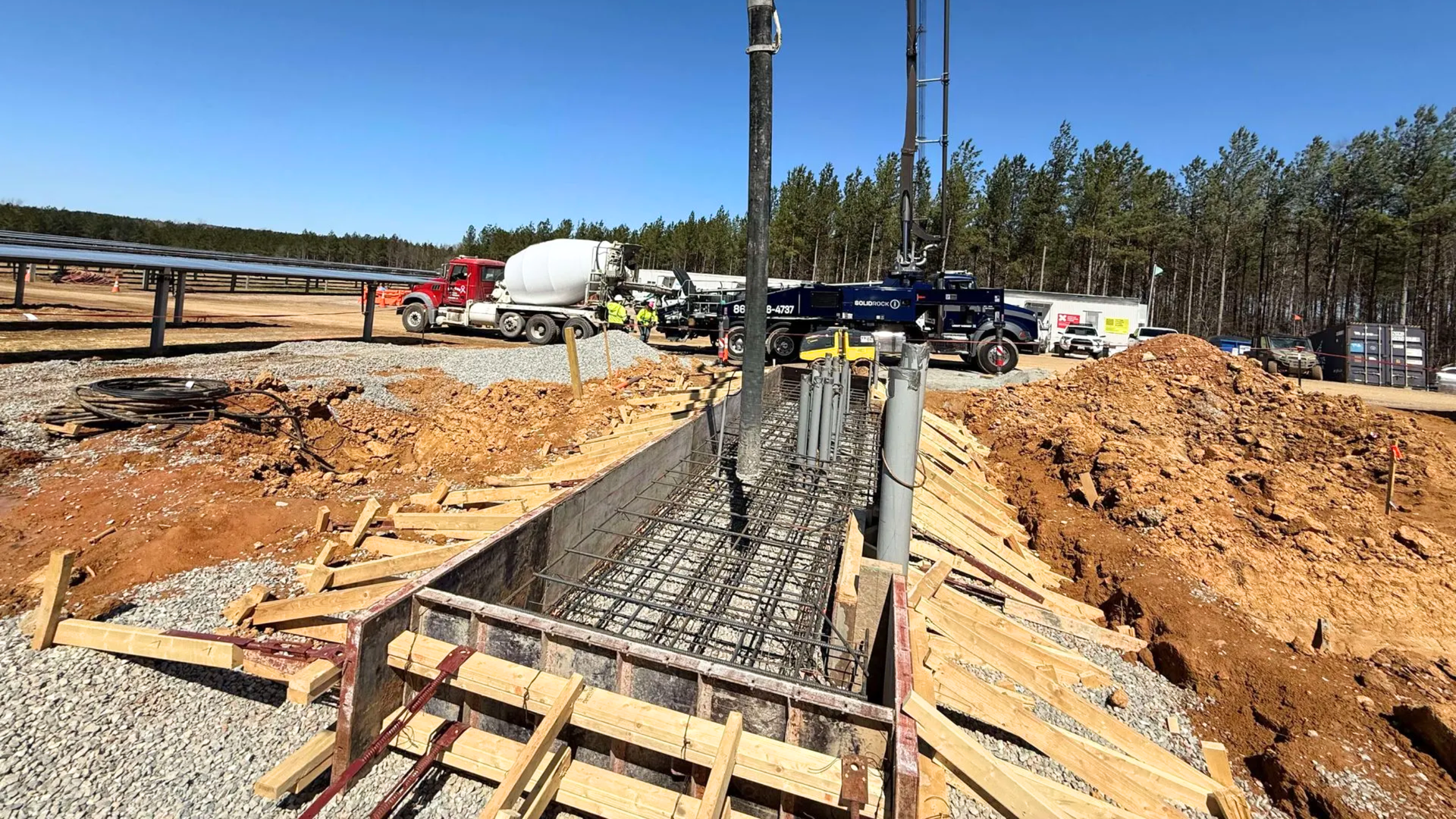
For homeowners building a custom home, adding a second story, or reinforcing an existing structure, understanding structural concrete helps you make informed decisions. For commercial property owners, it ensures your building meets performance and safety expectations.
This guide explains what structural concrete is, where it is used, how it is installed, and what factors affect durability, cost, and long-term performance in Chesterfield.
What Is Structural Concrete
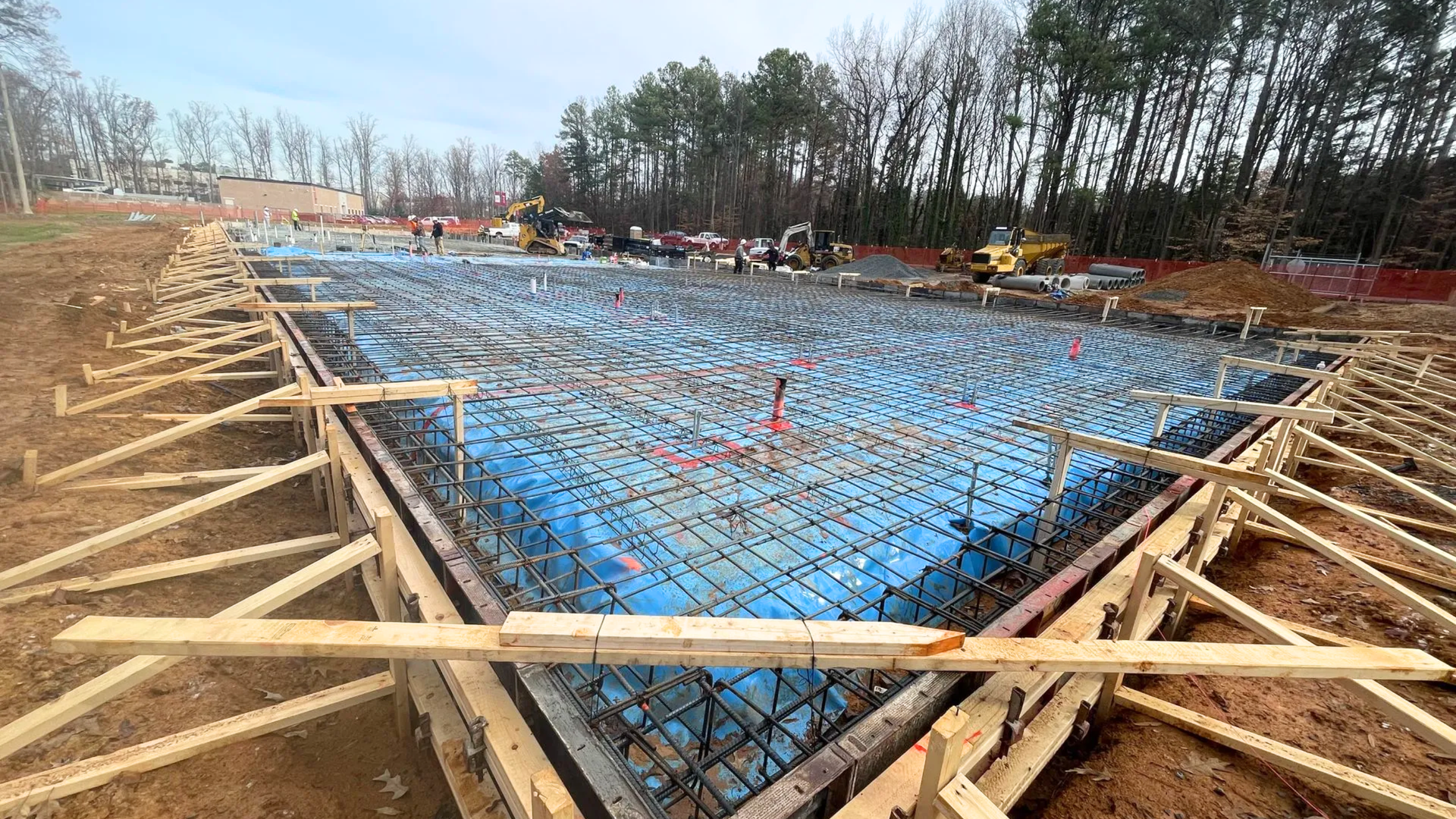
Structural concrete refers to reinforced concrete elements that carry and transfer loads. Unlike flatwork or decorative concrete, structural concrete is engineered to support weight from walls, floors, roofs, and equipment.
Common structural concrete components include:
- Load-bearing slabs
- Grade beams
- Reinforced concrete walls
- Columns and piers
- Structural footings
These elements work together to create a stable framework for buildings.
Structural concrete is often part of larger systems such as Concrete Foundations and Footings in Chesterfield VA, where the foundation and structural components must work together.
Where Structural Concrete Is Used
Structural concrete plays a role in many property types throughout Chesterfield.
Residential Applications
Homeowners may encounter structural concrete when:
- Building a custom home
- Adding a garage or large addition
- Constructing retaining walls that support loads
- Installing a slab that carries heavy equipment
- Converting crawl space to structural support systems
While residential projects may seem simple, many still require structural planning to prevent settlement and cracking.
Commercial Applications
Commercial buildings rely heavily on structural concrete for:
- Multi-level buildings
- Warehouse slabs
- Reinforced walls
- Heavy equipment foundations
- Industrial facilities
Commercial structures often require engineering review and inspection to confirm that load requirements are met.
Related service: Commercial Concrete Services in Chesterfield VA
Key Structural Concrete Elements
Understanding the major components helps property owners ask better questions during planning.
Reinforced Concrete Slabs
Structural slabs support floor loads and distribute weight evenly. These slabs may be thicker and more heavily reinforced than standard residential slabs.
Slab thickness depends on:
- Load requirements
- Soil conditions
- Intended use
- Equipment weight
- Grade Beams
Grade beams connect footings and transfer loads between columns or walls. They help control settlement and maintain structural alignment.
Grade beams are common in commercial construction and larger residential projects.
Structural Walls
Structural walls carry vertical and lateral loads. In some buildings, they also resist wind and soil pressure.
Basement walls are a common example. Proper reinforcement and drainage planning are essential.
Columns and Piers
Columns and piers transfer concentrated loads from beams and floors into footings. These elements are critical in commercial spaces with open layouts.
Concrete Strength and Reinforcement Requirements
Structural concrete must meet higher strength standards than standard surface work.
Concrete Strength (PSI)
Concrete strength is measured in pounds per square inch. Structural concrete typically uses higher PSI mixes than non-structural applications.
The appropriate strength depends on:
- Building height
- Load requirements
- Local codes
- Engineering specifications
Using the correct mix helps prevent cracking and improves long-term performance.
Reinforcement Types
Reinforcement increases tensile strength and controls cracking.
Common reinforcement methods include:
- Steel rebar
- Wire mesh
- Reinforcing cages
- Anchored dowels
Proper placement is just as important as material selection. Incorrect spacing or inadequate coverage can reduce performance.
Structural Concrete vs Standard Flatwork
While both use concrete, structural work differs significantly from flatwork.
| Feature | Structural Concrete | Standard Flatwork |
|---|---|---|
| Primary Purpose | Load bearing | Surface use |
| Reinforcement | Required | Often optional |
| Thickness | Engineered | Standardized |
| Inspection | Commonly required | Rarely required |
| Engineering | Often involved | Less common |
For comparison, see Commercial Concrete Flatwork in Chesterfield VA.
Understanding these differences prevents confusion when reviewing project proposals.
Site Conditions in Chesterfield
Local soil and drainage conditions affect structural design decisions.
Chesterfield soils can contain clay, which expands and contracts with moisture changes. Structural elements must account for these movements.
Poor drainage increases hydrostatic pressure and soil movement. Proper grading and water control are essential before structural concrete is placed.
Related service: Site Preparation
Installation Process for Structural Concrete
Structural concrete installation follows strict steps to ensure performance and safety.
1. Planning and Engineering Review
Some projects require engineered drawings that specify reinforcement, thickness, and load capacity.
This step ensures compliance with local codes and performance standards.
2. Excavation and Forming
Excavation prepares the site for footings and structural components. Forms define the shape and alignment of the concrete.
Accuracy during forming affects final performance.
3. Reinforcement Placement
Rebar and other reinforcement are placed according to plan. Proper spacing and secure tying prevent movement during the pour.
4. Concrete Placement
Concrete is placed carefully to avoid voids and ensure even distribution.
Proper consolidation removes trapped air and improves strength.
5. Curing and Protection
Curing allows concrete to gain strength gradually. Moisture control and temperature management are important during this phase.
Structural elements must reach required strength before loads are applied.
Durability Factors for Structural Concrete
Several factors influence long-term durability.
Moisture Control
Water intrusion can weaken concrete and corrode reinforcement. Proper drainage and waterproofing reduce risk.
Proper Reinforcement Coverage
Steel must be embedded with adequate coverage to protect against corrosion.
Correct Joint Placement
Control joints help manage shrinkage and reduce random cracking.
Load Management
Applying loads too early can compromise strength. Allowing full curing before heavy use is important.
Cost Considerations for Structural Concrete
Structural concrete costs vary based on complexity and load requirements.
Major cost factors include:
- Engineering involvement
- Reinforcement quantity
- Slab thickness
- Excavation depth
- Site access
- Inspection requirements
Rather than focusing only on upfront cost, property owners should consider performance and long-term stability.
When Structural Reinforcement Is Needed
Not every project requires full structural design, but reinforcement may be needed when:
- Adding a second story
- Installing heavy equipment
- Supporting retaining walls
- Reinforcing aging foundations
- Addressing settlement concerns
In some cases, Underpinning can provide additional support to existing structures.
Maintenance and Inspection
Structural concrete requires minimal maintenance, but periodic inspection is wise.
Property owners should monitor:
- Cracks that widen over time
- Water intrusion
- Signs of settlement
- Rust stains indicating reinforcement exposure
Addressing small issues early prevents larger structural concerns.
Common Questions About Structural Concrete
Is structural concrete necessary for residential projects?
- Many residential projects require structural elements, especially additions and multi-level builds.
Does structural concrete always require engineering?
- Not always, but larger or complex projects often do.
How long does structural concrete last?
- When installed properly, structural concrete can last decades with minimal issues.
Can structural concrete be repaired?
- Yes, depending on severity. Reinforcement, patching, or stabilization methods may be used.
Why Proper Structural Concrete Protects Property Value
Structural integrity affects resale value, inspection reports, and long-term maintenance costs.Investing in correct structural work reduces risk and supports safe occupancy.
JM Concrete & Construction works with property owners across Chesterfield to deliver dependable structural solutions. Learn more about our team on About Us.
Planning a Structural Concrete Project in Chesterfield
Whether you are building a new home, upgrading a commercial facility, or reinforcing an existing structure, structural concrete should be approached carefully.
Understanding soil conditions, reinforcement needs, and installation variables helps protect your investment. Contact JM Concrete & Construction to request a consultation and discuss structural concrete solutions for your property in Chesterfield.